Concrete vs. Wood:
A Smarter, Stronger Way to Build
Not all buildings are created equal. The structure behind the walls plays a major role in safety, comfort, and long‑term durability. While wood-frame construction is common in many residential properties, concrete stands in a class of its own.
Wood Construction
Wood offers quick and economical construction, but it comes with compromises:
• Higher vulnerability to fire, moisture, and pests
• More sound transfer between units
• Increased maintenance over time
Concrete Construction
Concrete delivers long-term performance and peace of mind:
• Superior fire resistance
• Excellent soundproofing
• Resistant to rot, mold, and pests
• Built for decades of stability
Final Thoughts
Wood and concrete each have their place in construction, but they serve different priorities. Wood is economical and flexible, while concrete is strong, quiet, safe, and built for the long haul.
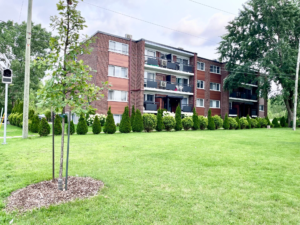
For a property like 638–640 rue Pouliot Laval, being a concrete building is a major asset. It means the structure is designed for longevity, stability, and superior living quality—qualities that set it apart in the rental market.